Nuclear stocks up 42% this year as grids strain. 99% don't know this infrastructure monopoly.

ENERGY INSIGHTS
SEPTEMBER 29, 2025
BREAKING: Less Than 24 Hours Until September 30th Energy Regulatory Deadline
As Washington prepares for tomorrow's regulatory deadline, the battle between Big Tech, Big Energy, and federal bureaucrats reaches its climax
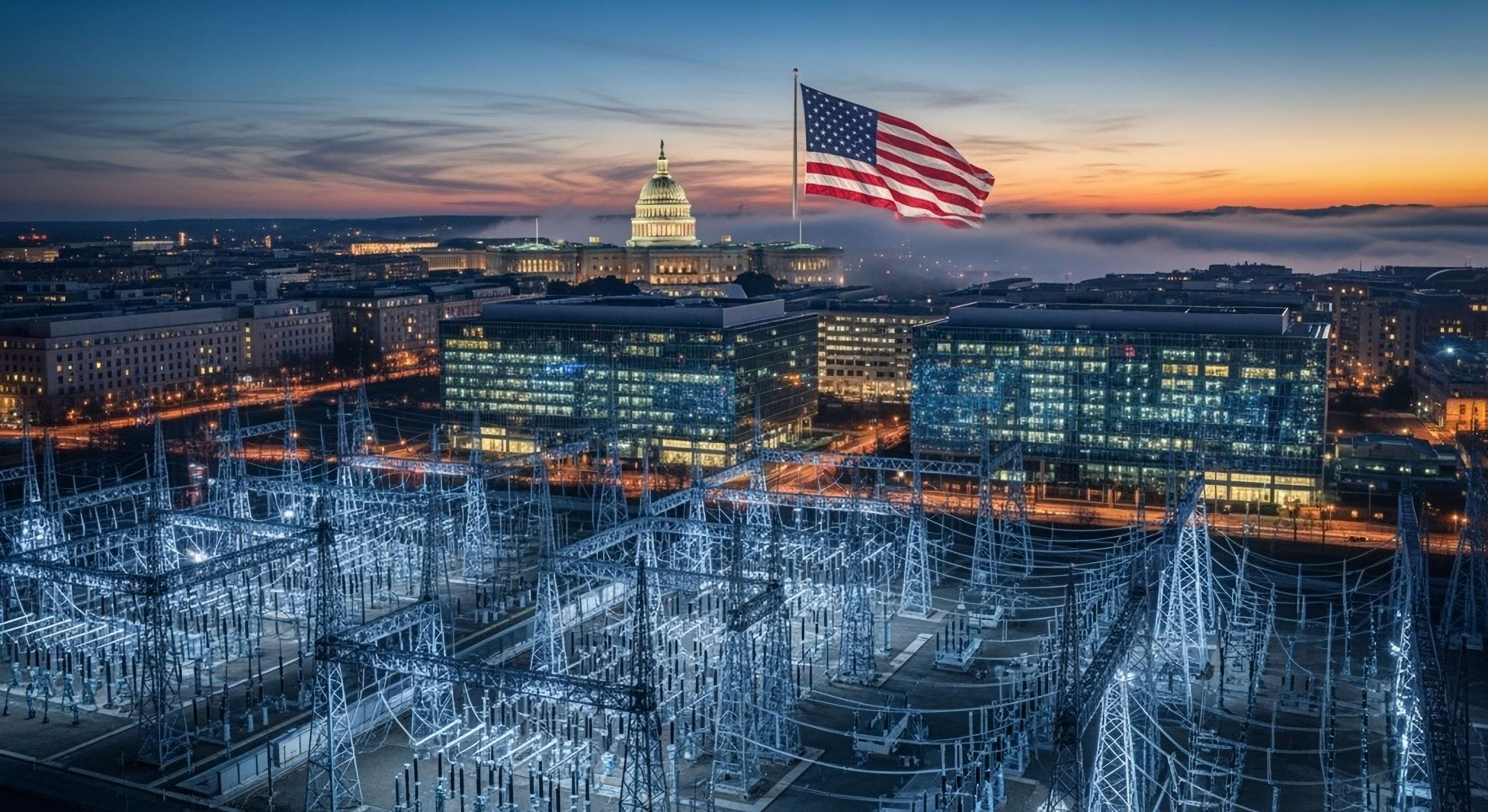
This is a Must-Read
↓
↓
↓
Editor's Note:
With less than 24 hours until September 30th, Washington insiders are bracing for what could be the most significant shift in U.S. energy policy in decades. The Trump administration has set tomorrow as a hard deadline for regulatory reviews that could reshape how America powers its future—and Wall Street is taking notice. While most Americans remain unaware, the collision between Big Tech's insatiable appetite for power and decades of bureaucratic red tape is forcing a political reckoning that could create massive winners and losers in the market overnight.
Trusted Partner Presentation
Trump Schedules Controversial 'Market Reset' for September 30

Behind closed doors, the White House has ordered a historic reset of the U.S. economy that will affect 65 million Americans and half of all U.S. stocks... including Nvidia, Microsoft, and Google. By law, this MUST happen on or before September 30, 2025.
The clock is ticking. As of tomorrow—September 30th—the Trump administration has mandated a comprehensive review of federal energy regulations that have strangled American power production for over four decades. What happens in the next 24 hours could determine which companies control America's energy future and which get left behind.
The political battle lines are drawn. On one side: Silicon Valley titans like Amazon, Microsoft, and Google desperately lobbying for faster energy approvals to power their AI ambitions. On the other: entrenched federal bureaucrats at FERC who've controlled America's energy grid since the Carter administration. And caught in the middle: American energy companies sitting on trillions in untapped resources, waiting for Washington to finally get out of the way.
The numbers tell the story of regulatory paralysis. In Northern Virginia alone—the epicenter of America's data center boom—companies now face seven-year wait times just to get electricity. Seven years. While China races ahead with AI development powered by coal plants they can build in months, American companies are drowning in paperwork. Amazon's nuclear-powered data center plans? Blocked by regulators. Microsoft's Three Mile Island restart? Took years of political maneuvering. The bottleneck isn't technology or capital—it's government red tape.
But that could all change at midnight tomorrow.
The Political Showdown Behind Tomorrow's Deadline
Here's what the mainstream media isn't telling you: September 30th wasn't chosen randomly. This date represents the fiscal year-end deadline that Congress imposed on the administration to complete its comprehensive energy regulatory review. By law, the findings must be submitted tomorrow—and the implications could be massive.
The scale of the crisis is staggering. U.S. data centers consumed 46 GW of power in 2024, but Goldman Sachs projects demand will skyrocket to 122 GW by 2030—a 165% increase. That's not just growth; that's an energy emergency. And it's not just about keeping the lights on—it's about America's ability to compete with China in the AI arms race that will define the next century.
The Trump administration understands what's at stake. That's why they've pressured tech giants to make unprecedented commitments: over $200 billion combined from Amazon, Meta, and Google for infrastructure in 2025 alone. Microsoft didn't just sign a 20-year deal to restart Three Mile Island's nuclear reactor on a whim—that was the result of intense political negotiations at the highest levels.
Meanwhile, America is sitting on energy reserves that would make Middle Eastern oil sheiks jealous. We're the world's largest natural gas producer at 103.6 billion cubic feet per day. The USGS estimates we have approximately 2,973 trillion cubic feet of technically recoverable natural gas—enough to power our economy for generations. The resources are there. The technology is there. The capital is there. The only thing standing in the way? The same government bureaucracy that's been choking American energy independence since 1977.
Why Tomorrow's Deadline Changes Everything
Those who understand political cycles know that real change happens at inflection points—moments when accumulated pressure finally overwhelms the status quo. We've seen it before. Reagan's energy deregulation in the 1980s. Bush's Energy Policy Act of 2005. Trump's first-term initiatives in 2017 that slashed regulations and unleashed American energy production to record levels.
But this time is different. The Trump administration isn't just tweaking regulations—they're fundamentally questioning whether a Carter-era bureaucracy should still control America's energy future. FERC was established as a temporary agency set to expire in 1984. Forty-one years later, it still requires five to eight years of approvals before a single shovel hits dirt on a new power plant. That's not regulation—that's obstruction.
September 30th represents the culmination of months of behind-the-scenes political warfare. White House sources indicate that tomorrow's regulatory review could recommend the most sweeping changes to American energy policy since the New Deal. We're talking about potential fast-track approvals for critical infrastructure, streamlined permitting for natural gas facilities, and the possible resurrection of nuclear power as a cornerstone of American energy independence.
The political ramifications extend far beyond energy. This is about whether America can compete in the AI era or whether we'll cede technological dominance to China because our own government refuses to approve the power plants needed to run data centers. It's about whether trillion-dollar companies will invest in American infrastructure or look overseas. It's about national security, economic growth, and the future of American innovation.
And it all comes to a head at midnight tomorrow.
PRO TIP

|
The Investment Implications of Tomorrow's Regulatory Reset
History shows that major regulatory shifts create massive market dislocations—and massive opportunities for those positioned ahead of the curve. When Reagan deregulated energy in the 1980s, early investors made fortunes. When the 2005 Energy Policy Act passed, smart money flooded into natural gas. Those who understood Trump's 2017 energy agenda got in before the market caught up.
Tomorrow's deadline could trigger the next great rotation. And here's what Wall Street insiders are quietly accumulating:
Natural gas producers are the obvious play. Companies like Chesapeake Energy and EQT Corporation control vast Appalachian reserves—sitting on gas that data centers desperately need but can't legally access under current regulations. If tomorrow's review recommends fast-track approvals, these companies could see demand surge overnight. Pipeline infrastructure giants like Kinder Morgan and TC Energy own the critical rights-of-way that would take competitors decades to replicate, even if regulations change.
The nuclear renaissance extends beyond just power generation. This is where it gets interesting. Uranium miners like Cameco and Energy Fuels could benefit from the first sustained reactor construction boom in decades. Constellation Energy—which owns America's largest nuclear fleet—has already demonstrated the political connections necessary to navigate federal approvals, securing the Microsoft Three Mile Island deal that most thought impossible. Engineering firms like Fluor and Bechtel are quietly building backlogs for power plant construction, anticipating a regulatory green light.
Then there are the utility companies in strategic data center markets. Dominion Energy serves Northern Virginia's "data center alley" and has 40 GW of demand in queue—demand they can't fulfill under current regulations. American Electric Power manages Ohio's emerging data center cluster. NextEra Energy bridges traditional and renewable power. If regulations ease tomorrow, these utilities could fast-track projects worth billions.
Don't overlook the picks-and-shovels plays. Electrical equipment manufacturers like Eaton and Schneider Electric. Transformer producers like ABB that are already facing shortages. Cooling specialists like Vertiv that are essential as data centers push from 15 kW to 300 kW per rack. Copper producers like Freeport-McMoRan that supply the raw materials for the massive electrical buildout required.
But here's the critical insight: the real money is made by identifying bottlenecks before they become obvious. Which companies already hold the hard-to-get permits? Who owns the infrastructure that can't be quickly replicated? Where are the specialized capabilities that regulators can't just approve away?
The companies positioned at these bottlenecks—whether in uranium enrichment, transformer manufacturing, pipeline capacity, or specialized engineering—could see pricing power explode if tomorrow's regulatory review opens the floodgates on American energy production.
With tech giants having committed hundreds of billions to solve the power crisis and a potential regulatory revolution 24 hours away, the energy sector may be approaching a historic inflection point. The question isn't whether change is coming—tomorrow's deadline guarantees it. The question is: will you be positioned before or after the market reprices this new reality?
|
✓ Trusted Partner Presentation
Our #1 AI Stock has nothing to do with tech
AI is creating a massive energy demand most are not ready for Nvidia CEO Jensen Huang recently said AI requires "100 times more" power. That means the best way to invest in AI right now has nothing to do with technology… And everything to do with energy. One stock appears to be perfectly positioned to dominate right now… Thanks to AI's rapidly growing energy demands. |
×
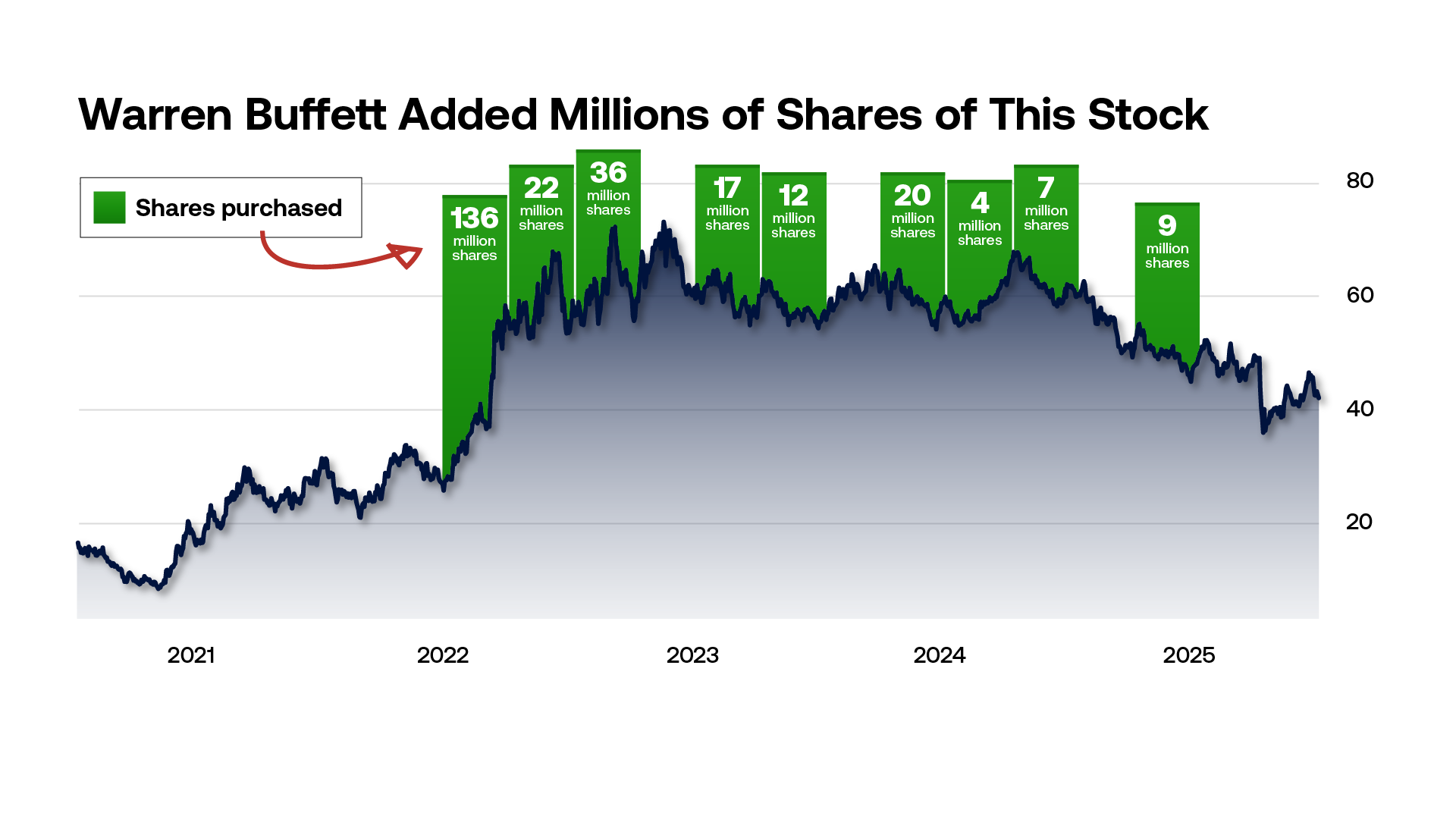
Trusted Partner Presentation
America Tapping into New "AI Energy" Starting Sept 30 at Midnight
It has enough power to fuel our economy for decades... with zero need for foreign oil. A small group of US stocks own the rights to it.
Click Here to Learn How Trump is Greenlighting This "AI Energy" on Sept 30 at Midnight ET
×
 Energy crisis = trillion $ opportunity →
Trusted Partner Presentation
NVIDIA's secret partner consumes city-level power.